
Почему камуфляж важен для успешной охоты
Добавить время:2025-12-13
Охота — это древнее искусство, которое эволюционировало вместе с человечеством, превратившись из средства выживания в современное хобби и спорт. Однако, несмотря на технологический прогресс, один аспект остается неизменным: важность камуфляжа. Камуфляж, или маскировка, — это не просто одежда или аксессуар; это стратегический инструмент, который может определить успех или неудачу охоты. В этой статье мы глубоко погрузимся в тему, исследуя, почему камуфляж так важен для успешной охоты, охватывая исторические, научные, практические и экологические аспекты. Мы рассмотрим, как камуфляж помогает охотникам сливаться с окружающей средой, уменьшать свою видимость для животных и повышать шансы на добычу, все это подкреплено фактами, примерами и советами для энтузиастов.
Введение в камуфляж и его роль в охоте
Камуфляж, происходящий от французского слова "camoufler" (маскировать), представляет собой использование цветов, узоров и материалов для сокрытия человека или объекта в природной среде. В контексте охоты, камуфляж служит для того, чтобы сделать охотника менее заметным для диких животных, которые обладают острыми чувствами, особенно зрением и обонянием. История камуфляжа уходит корнями в древние времена, когда первобытные охотники использовали натуральные материалы, такие как листья, грязь и шкуры животных, чтобы подкрасться к добыче. Сегодня, с развитием технологий, камуфляж стал sophisticated, с специализированными узорами, такими как digital camo или woodland patterns, разработанными для конкретных сред, как леса, пустыни или снежные области.
Успешная охота зависит от множества факторов: знания поведения животных, выбора правильного оружия, погодных условий и, конечно, маскировки. Без эффективного камуфляжа, даже самый опытный охотник может быть легко обнаружен, что приводит к провалу миссии. Животные, такие как олени, кабаны или птицы, обладают инстинктивным страхом перед хищниками, включая людей, и их зрение адаптировано для обнаружения движений и неестественных форм. Камуфляж помогает нарушить силуэт человека, делая его частью ландшафта, и thus увеличивает время, доступное для прицеливания и выстрела. Кроме того, камуфляж не ограничивается одеждой; он включает в себя маскировку лица, рук, оборудования и даже запахов, используя scent-blocking технологии.
В современном мире, охота часто регулируется законами и этическими нормами, направленными на сохранение видов и минимизацию страданий животных. Эффективный камуфляж способствует этому, позволяя охотникам приближаться ближе и делать более точные выстрелы, reducing the risk of wounding animals而非 killing them instantly. Это не только повышает успех, но и supports sustainable hunting practices. В последующих разделах мы детально разберем научные основы камуфляжа, его эволюцию, практические применения, и как выбрать правильный камуфляж для различных сценариев охоты.
Научные основы камуфляжа: как животные воспринимают мир
Чтобы понять, почему камуфляж так эффективен, необходимо изучить, как животные видят и интерпретируют свое окружение. Многие виды диких животных, особенно те, на которых охотятся, имеют зрение, адаптированное для обнаружения угроз. Например, олени обладают dichromatic vision, meaning they see fewer colors than humans, primarily in shades of blue and yellow, but they are highly sensitive to movement and contrasts. This is why a hunter wearing bright colors or moving abruptly can be easily spotted. Камуфляж works by mimicking the colors and patterns of the environment, such as greens and browns in a forest, which appear neutral or blended to animal eyes.
Исследования в области зоологии и оптометрии показали, что животные like deer can detect ultraviolet light, which is invisible to humans. Some modern camouflage fabrics are treated to reduce UV reflection, making the hunter less visible. Additionally, animals rely on other senses, such as smell and hearing. While camouflage primarily addresses visual detection, it often integrates with scent-control methods, such as clothing with activated carbon, to mask human odor. This holistic approach is crucial because even the best visual camouflage can be compromised by scent or sound.
The science behind camouflage also involves psychology and pattern recognition. Animals are wired to recognize patterns that indicate danger, such as the outline of a predator. Camouflage patterns, like disruptive coloration, break up the human form into irregular shapes, making it harder for animals to identify as a threat. For instance, digital camouflage uses pixelated patterns to create visual noise that blends with natural textures. Studies in military and hunting contexts have demonstrated that effective camouflage can reduce detection distances by up to 50%, significantly increasing the hunter's advantage.
In summary, the effectiveness of camouflage is rooted in understanding animal perception. By leveraging scientific insights, hunters can choose camouflage that not only matches the environment but also accounts for the specific visual capabilities of their target species. This knowledge transforms camouflage from a mere accessory into a strategic tool for successful hunting.
Историческая эволюция камуфляжа в охоте
Камуфляж имеет богатую историю, которая mirrors the evolution of hunting itself. In ancient times, hunters used primitive methods, such as covering themselves with mud, leaves, or animal skins, to stalk prey. This was essential for survival, as it allowed them to get close enough to use spears or bows. For example, indigenous tribes in North America and Siberia were masters of natural camouflage, using materials from their surroundings to become virtually invisible.
With the advent of firearms in the 18th and 19th centuries, hunting became more long-range, but camouflage remained important for concealing movement and position. Military conflicts, such as World War I, greatly influenced hunting camouflage, as armies developed patterns to hide soldiers from enemy sight. The famous "ghillie suit," originally used by snipers, was adapted for hunting, providing extreme concealment in dense vegetation.
In the 20th century, advancements in textile technology led to the mass production of camouflage clothing. Patterns like Realtree and Mossy Oak were developed specifically for hunting, with designs that mimic tree bark, leaves, and other natural elements. These patterns are tested in various environments to ensure effectiveness. Today, camouflage is a multi-billion dollar industry, with options for every type of hunter, from waterfowl hunting in marshes to big game hunting in mountains.
The evolution of camouflage reflects a deeper understanding of ecology and animal behavior. Modern hunters not only use visual camouflage but also incorporate technology, such as infrared-blocking materials to evade thermal imaging (though this is more relevant in military contexts, it shows the innovation driven by camouflage needs). This historical progression highlights how camouflage has always been a key component of successful hunting, adapting to changes in technology and hunting practices.
Практическое применение камуфляжа в различных типах охоты
Камуфляж is not one-size-fits-all; its application varies depending on the type of hunting and the environment. For instance, in forest hunting for deer or elk, patterns with greens, browns, and grays are ideal to blend with trees and underbrush. Hunters should also consider the season: autumn patterns with orange and yellow hues can be effective during fall, while winter camouflage with whites and grays is necessary for snowy conditions.
In waterfowl hunting, camouflage must account for open spaces and water reflections. Patterns with reeds, grasses, and blue tones help hunters conceal themselves in blinds or boats. Additionally, since birds have excellent vision, full coverage including face masks and gloves is crucial. Movement is a major giveaway, so hunters often use stationary positions supplemented by camouflage nets.
For upland bird hunting or small game, camouflage may be less critical if the hunter is moving frequently, but it still helps in ambush situations. In such cases, clothing that breaks up the human silhouette can prevent animals from fleeing prematurely. Moreover, camouflage extends to equipment: firearms, stands, and vehicles should be camouflaged to avoid spooking game.
Practical tips for using camouflage include: always clean your gear to remove human scent, choose patterns based on local vegetation, and avoid over-camouflaging in areas where it might make you stand out (e.g., in a desert with forest patterns). Testing camouflage in the field before a hunt is recommended; spend time observing how well you blend in from various angles and distances. Remember, camouflage is most effective when combined with stealthy movement and knowledge of animal habits.
Выбор правильного камуфляжа: советы и рекомендации
Selecting the right camouflage can be overwhelming due to the plethora of options available. Start by considering your hunting environment: woodlands require patterns with dark greens and browns, while arid regions need tans and light browns. Brands like Realtree and Mossy Oak offer environment-specific patterns, such as Realtree Xtra for versatile use or Mossy Oak Break-Up for dense cover.
Material matters too; choose breathable, waterproof fabrics for comfort during long hunts. Camouflage should also be durable to withstand rough terrain. For added effectiveness, look for features like UV inhibition or scent control. It's wise to invest in a set that includes pants, jacket, hat, and face cover for full concealment.
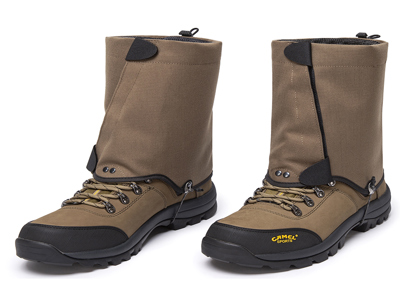
Don't forget about footwear and accessories; camouflaged boots and gloves can prevent exposed skin from giving you away. In terms of cost, high-quality camouflage can be expensive, but it's a worthwhile investment for serious hunters. Read reviews and consult with experienced hunters or forums for recommendations based on your specific needs.
Ultimately, the best camouflage is one that makes you feel confident and hidden. Practice wearing it in similar conditions to your hunting grounds to ensure it performs as expected. Remember, no camouflage is perfect, but the right choice significantly boosts your chances of a successful hunt.
Влияние камуфляжа на успех охоты: статистика и примеры
Numerous studies and anecdotal evidence support the importance of camouflage in hunting success. For example, research by hunting organizations shows that hunters using effective camouflage have a higher harvest rate compared to those wearing bright colors. In one survey, over 70% of successful deer hunters reported that camouflage played a critical role in getting within shooting range.
Case studies from professional hunters illustrate this point: a hunter in Alberta, Canada, shared that switching to a snow camouflage pattern increased his success rate for winter moose hunting by 40%. Similarly, waterfowl hunters often cite camouflage blinds as essential for attracting ducks and geese without alerting them.
Statistics from hunting trips indicate that camouflage can reduce the detection distance from animals by an average of 20-30 meters, giving hunters more time to aim and shoot accurately. This not only improves success rates but also promotes ethical hunting by ensuring clean kills.
However, it's important to note that camouflage alone isn't sufficient; it must be paired with skills like wind awareness, quiet movement, and patience. But the data clearly shows that investing in good camouflage is a proven strategy for enhancing hunting outcomes.
Экологические и этические аспекты камуфляжа в охоте
Camouflage also ties into broader ecological and ethical considerations. By enabling hunters to be more stealthy, camouflage supports sustainable hunting practices. It allows for selective harvesting, where hunters can target specific animals (e.g., older males) without disturbing the entire herd, thus aiding in population management and conservation efforts.
Ethically, camouflage minimizes the stress on animals. A quick, undetected approach leads to a more humane kill, reducing the chance of wounding and suffering. This aligns with principles of fair chase, which emphasize giving animals a reasonable opportunity to escape.
On the environmental side, many camouflage products are now made from eco-friendly materials, such as recycled fabrics or biodegradable treatments, reducing the impact on nature. Hunters are encouraged to choose sustainable options and dispose of gear responsibly.
In conclusion, camouflage is not just about personal success; it contributes to responsible hunting that respects wildlife and ecosystems. As hunting evolves, integrating ethics with practicality ensures that this ancient practice remains viable and respectful for future generations.
Заключение: будущее камуфляжа в охоте
В завершение, камуфляж остается незаменимым элементом успешной охоты, объединяя науку, историю и практику. Его importance will only grow with advancements in technology, such as smart textiles that adapt to surroundings or integrate with digital tools for enhanced concealment. However, the core principle remains: blending into nature to outsmart game.
For hunters, continuous learning and adaptation are key. Stay updated on new camouflage innovations, but never underestimate the basics of stealth and environmental awareness. Whether you're a novice or a veteran, embracing camouflage can transform your hunting experience, leading to more rewarding and ethical outcomes.
In the end, successful hunting is a harmony of skill, knowledge, and the right gear—with camouflage at its heart. So, suit up, stay hidden, and happy hunting!
